
LED bulbs have become a core component of modern automotive lighting systems. Compared with traditional halogen and HID bulbs, LED bulbs deliver higher brightness, lower energy consumption, and significantly longer lifespan. As vehicle technology continues to evolve, LED bulbs are now widely adopted in both OEM applications and aftermarket upgrades.
What Are LED Bulbs?
LED bulbs use light-emitting diode technology to generate illumination through a semiconductor process. Unlike filament-based halogen bulbs, LED bulbs produce light more efficiently, with minimal heat loss and instant full brightness.
In automotive applications, LED bulbs are commonly used for headlights, fog lights, brake lights, turn signals, reverse lights, interior lighting, and daytime running lights.
Key Advantages of LED Bulbs
One of the biggest advantages of LED bulbs is energy efficiency. LED bulbs consume far less power while delivering equal or higher brightness, reducing the electrical load on the vehicle.
LED bulbs also offer long service life, often exceeding 30,000 hours, which greatly reduces replacement frequency and maintenance costs.
Another critical benefit is instant illumination. LED bulbs reach full brightness immediately, improving reaction time for brake lights and turn signals and enhancing overall driving safety.
In addition, LED bulbs provide stable light output and color consistency, maintaining performance even under vibration, temperature changes, and long-term use.
LED Bulbs vs Halogen and HID Bulbs
Halogen bulbs are inexpensive but suffer from low brightness, high heat generation, and short lifespan. HID bulbs provide higher brightness but require ballasts, warm-up time, and more complex installation.
Compared to these technologies, LED bulbs offer:
-
Higher luminous efficiency
-
Lower power consumption
-
No warm-up time
-
Longer lifespan
-
Compact size and flexible design
These advantages make LED bulbs the preferred choice for modern automotive lighting systems.
Applications of Automotive LED Bulbs
Automotive LED bulbs are widely used in:
-
Headlights and fog lights
-
Brake and tail lights
-
Turn signal and indicator lights
-
Reverse and license plate lights
-
Interior and ambient lighting
They are suitable for passenger vehicles, SUVs, trucks, motorcycles, and commercial vehicles, and are available in various socket types to match original vehicle specifications.
Quality Standards and Manufacturing
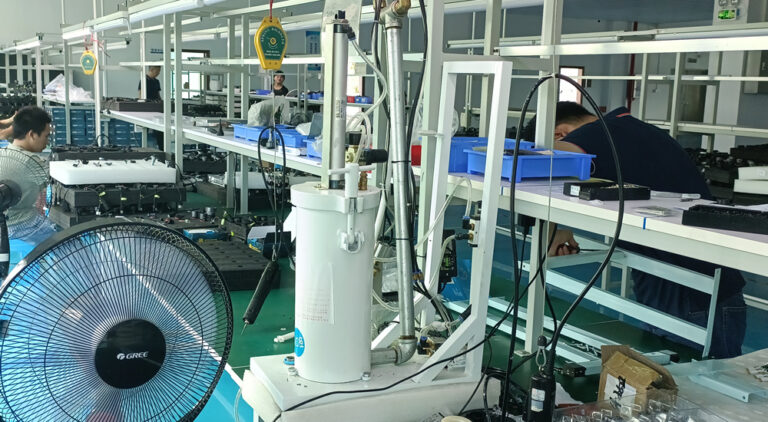
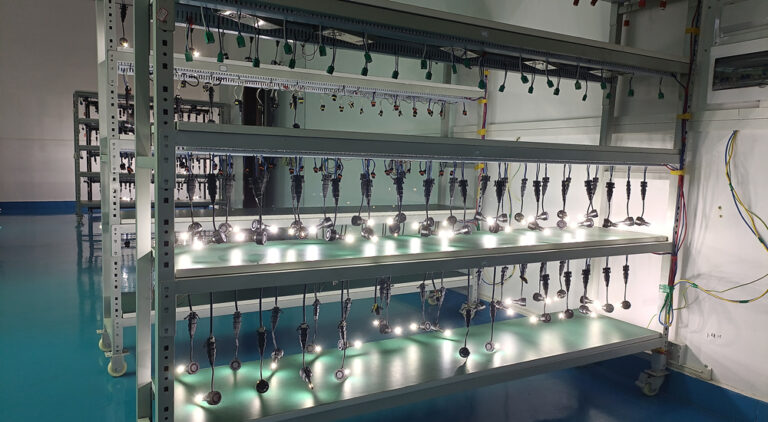
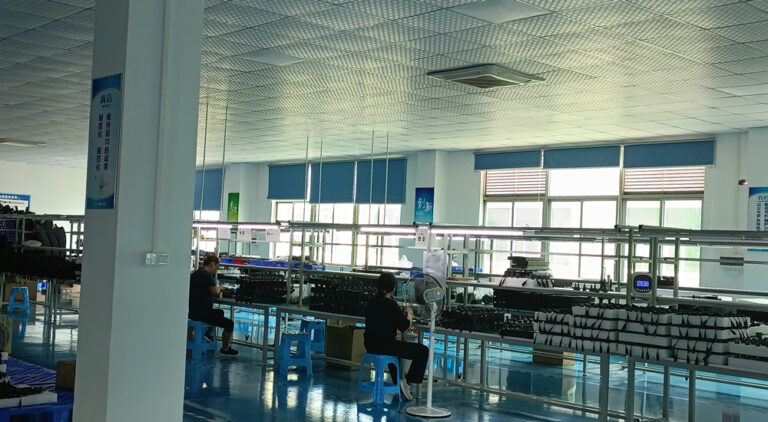
High-quality LED bulbs are manufactured under strict quality management systems such as ISO9001 and IATF 16949, and comply with international certifications including CE, ROHS, FCC, and E-MARK.
Professional manufacturers also provide OEM and ODM services, offering customization in wattage, color temperature, beam pattern, housing material, and branding to meet different market requirements.
Future Trends of LED Bulbs
As regulations increasingly focus on energy efficiency and road safety, LED bulbs are becoming the standard lighting solution worldwide. Advances in LED chip technology, thermal management, and optical design continue to improve brightness, durability, and compatibility with modern vehicles.
Conclusion
LED bulbs represent a reliable, efficient, and future-ready automotive lighting solution. With their superior performance, long lifespan, and wide range of applications, LED bulbs are an ideal choice for vehicle manufacturers, distributors, and end users seeking high-quality lighting products.