
LED auxiliary lights are additional lighting systems designed to enhance a vehicle’s primary lighting performance. Widely used in off-road vehicles, trucks, SUVs, and commercial fleets, LED auxiliary lights provide improved visibility in challenging driving conditions such as darkness, fog, rain, and rough terrain.
With advanced LED technology, these lights deliver high brightness, energy efficiency, and long service life, making them a reliable solution for both professional and recreational applications.
What Are LED Auxiliary Lights?
LED auxiliary lights are secondary lighting units installed outside the main headlamp system. They function as support lighting, complementing headlights and fog lights by illuminating a wider area or longer distance.
Available in various forms such as light bars, driving lights, work lights, and spot or flood beams, LED auxiliary lights can be customized to meet specific driving needs and vehicle designs.
Key Advantages of LED Auxiliary Lights
One of the main advantages of LED auxiliary lights is enhanced visibility. Their high-output LED chips provide powerful illumination that significantly improves road awareness in low-light environments.
Energy efficiency is another key benefit. LED auxiliary lights consume less power than traditional halogen auxiliary lamps while delivering superior brightness, reducing strain on the vehicle’s electrical system.
Durability is critical for auxiliary lighting, and LED auxiliary lights excel in this area. Designed with robust housings and advanced thermal management, they are resistant to vibration, dust, and water, making them ideal for off-road and industrial use.
In addition, LED auxiliary lights offer instant-on performance, ensuring immediate illumination when needed.
LED Auxiliary Lights vs Traditional Auxiliary Lighting
Traditional halogen auxiliary lights generate excessive heat, have shorter lifespan, and consume more energy. In contrast, LED auxiliary lights offer:
-
Higher brightness and longer illumination range
-
Lower power consumption
-
Longer service life
-
Better resistance to shock and harsh environments
These advantages make LED auxiliary lights a more reliable and cost-effective solution.
Applications of LED Auxiliary Lights
LED auxiliary lights are commonly used in:
-
Off-road and overlanding vehicles
-
Pickup trucks and SUVs
-
Construction and agricultural vehicles
-
Emergency and service vehicles
-
Commercial fleets and industrial equipment
Depending on the application, they can function as driving lights, work lights, warning lights, or scene lights.
Quality Standards and Customization
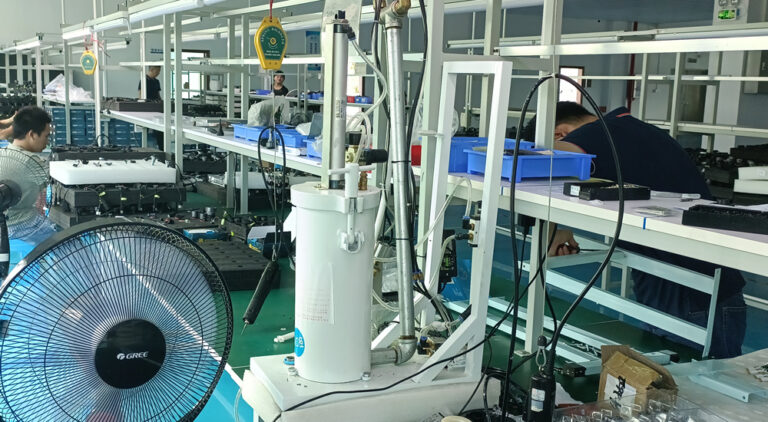
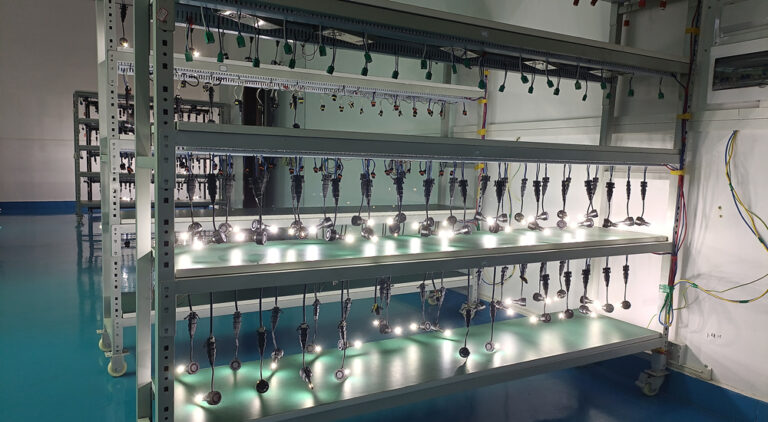
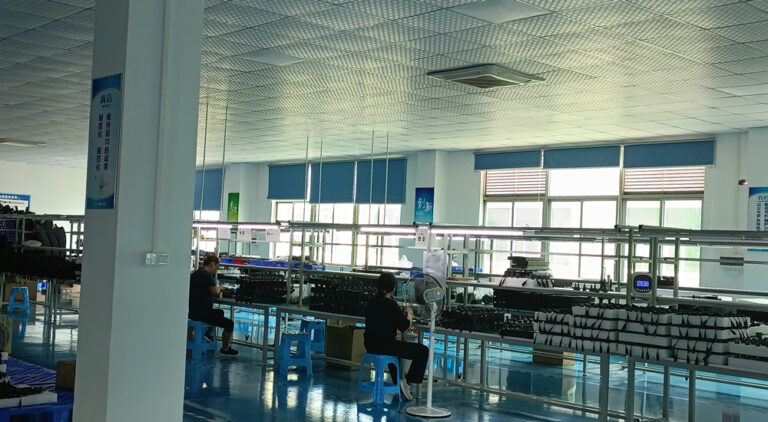
High-quality LED auxiliary lights are manufactured under strict quality management systems such as ISO9001 and IATF 16949, and comply with international standards including CE, ROHS, FCC, and E-MARK.
Manufacturers often provide OEM and ODM services, allowing customization of beam patterns, housing design, power output, color temperature, and branding to meet market-specific requirements.
Future Trends of LED Auxiliary Lights
With increasing demand for vehicle safety and off-road performance, LED auxiliary lights continue to evolve with higher efficiency LED chips, smarter control systems, and improved optical design. Their versatility ensures continued growth across multiple automotive and industrial sectors.
Conclusion
LED auxiliary lights are an essential enhancement for vehicles operating in low-visibility or demanding environments. Their combination of brightness, durability, and efficiency makes them a valuable addition to modern lighting systems.